A home that feels calm, tidy, and warm to live in is what many families want. One design style that delivers this is Japandi, a blend of Japanese and Scandinavian design that has grown increasingly popular in Indonesia in recent years.
This article explains what Japandi is, its key characteristics, colour and material choices, and how to apply it at home without a major renovation.
Japandi combines the words Japan and Scandinavian. The style blends calm Japanese minimalism with Scandinavian functionality.
Two philosophies underpin it. From Japan comes wabi-sabi, a way of seeing beauty in simplicity and imperfection, such as natural wood grain or handmade ceramics. From Scandinavia comes hygge, a sense of comfort and warmth that makes the home a place to rest.
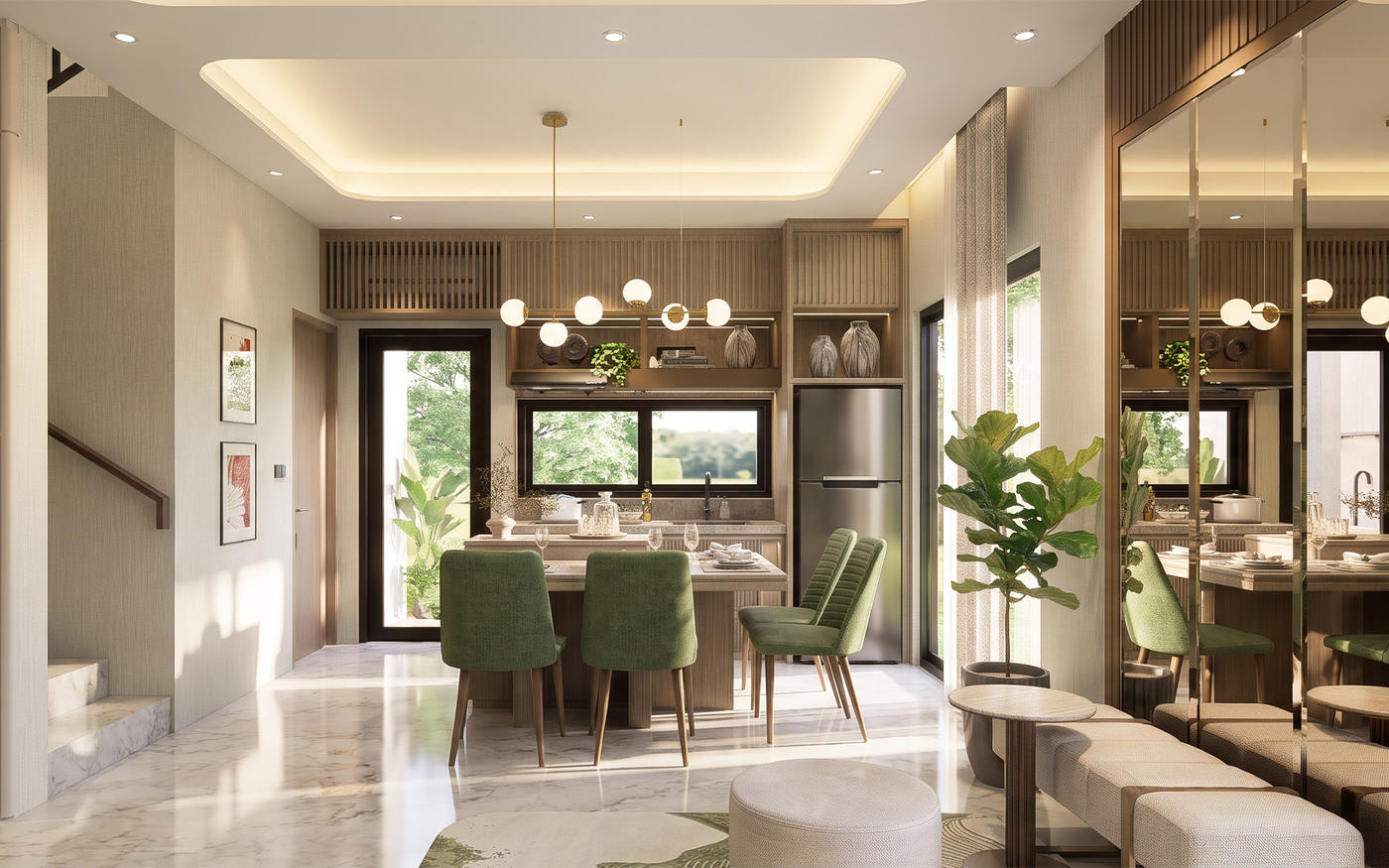
The result is a home that looks clean and spacious, yet still feels warm rather than stiff.
1. Minimal and uncluttered. Only what you need, clear surfaces, and closed storage such as built-in cabinets, baskets, or boxes to hide small items.
2. Natural materials. Wood, bamboo, rattan, linen, cotton, stone, and ceramics are the main choices.
3. Calming neutral colours. Cream, beige, light grey, and ivory, with dark accents used sparingly.
4. Simple, functional furniture. Clean lines, often low, chosen for quality rather than quantity.
5. Natural light. Large windows and open spaces let sunlight in and spread through the room.
6. Greenery. Indoor plants connect the inside of the home with nature.
Japandi relies on calm colours. Some common combinations:
Base: ivory, cream, beige, or stone grey for walls and large surfaces.
Wood: light woods such as oak or pine for a Scandinavian feel, or darker wood for a Japanese feel.
Accents: black, dark brown, indigo, or pale green in small amounts, for example on frames, vases, or cushions.
The key is soft contrast. Avoid too many bright colours competing in one room.
Start by decluttering. Japandi cannot work in a room full of things. Sort out rarely used items, then store the rest out of sight.
Change the textiles first. Cushion covers, curtains, and rugs in neutral linen or cotton are the cheapest way to change the mood.
Choose one or two solid wooden pieces. A simple wooden dining table or shelf can become the room's focal point.
Make the most of natural light. Use light, sheer curtains so light still comes in without overheating the room.
Add plants. One large plant in a corner often works better than many small pots.
Use warm lighting. Lamps with a warm, yellowish glow at night strengthen the hygge feel.
Because the style comes from countries with different climates, a few adjustments help Japandi stay comfortable in Indonesia:
Choose moisture-resistant wood and materials, and protect wooden furniture with a coating.
Prioritise airflow. Enough window openings keep the home cool and reduce humidity.
Use easy-to-wash fabrics, such as linen and cotton, which are more comfortable in hot weather.
For those who want a Japanese feel from the moment they choose a home, Asera Hoshi in Kota Harapan Indah offers modern homes with a Japanese character. Its latest development, The New Hoshi, comes in Type H6 (3 bedrooms) and Type H7 (4+1 bedrooms). If you are still weighing the right number of bedrooms, read 3-Bedroom or 4-Bedroom House?
What is Japandi style?
Japandi is a design style that blends Japanese minimalism with Scandinavian functionality and warmth.
How is Japandi different from ordinary minimalism?
Japandi emphasises natural materials, warm neutral colours, and a cosy atmosphere, so it does not feel cold or empty like some minimalist designs.
Which colours suit Japandi?
Neutral colours such as cream, beige, ivory, and stone grey, combined with wood tones and sparing dark accents.
Does Japandi suit a small home?
Yes. Its minimalist principles and closed storage make a small home feel more spacious.
Do I need to renovate to apply Japandi?
No. You can start by decluttering, changing textiles, adding plants, and choosing warm lighting.
For more information about homes in Kota Harapan Indah, contact the Damai Putra Group Marketing Gallery via WhatsApp Official 0811 4466 888 or visit www.damaiputra.com.
This article explains what Japandi is, its key characteristics, colour and material choices, and how to apply it at home without a major renovation.
What Is Japandi Style?
Japandi combines the words Japan and Scandinavian. The style blends calm Japanese minimalism with Scandinavian functionality.
Two philosophies underpin it. From Japan comes wabi-sabi, a way of seeing beauty in simplicity and imperfection, such as natural wood grain or handmade ceramics. From Scandinavia comes hygge, a sense of comfort and warmth that makes the home a place to rest.
The result is a home that looks clean and spacious, yet still feels warm rather than stiff.
Characteristics of a Japandi Home
1. Minimal and uncluttered. Only what you need, clear surfaces, and closed storage such as built-in cabinets, baskets, or boxes to hide small items.
2. Natural materials. Wood, bamboo, rattan, linen, cotton, stone, and ceramics are the main choices.
3. Calming neutral colours. Cream, beige, light grey, and ivory, with dark accents used sparingly.
4. Simple, functional furniture. Clean lines, often low, chosen for quality rather than quantity.
5. Natural light. Large windows and open spaces let sunlight in and spread through the room.
6. Greenery. Indoor plants connect the inside of the home with nature.
The Japandi Colour Palette
Japandi relies on calm colours. Some common combinations:
Base: ivory, cream, beige, or stone grey for walls and large surfaces.
Wood: light woods such as oak or pine for a Scandinavian feel, or darker wood for a Japanese feel.
Accents: black, dark brown, indigo, or pale green in small amounts, for example on frames, vases, or cushions.
The key is soft contrast. Avoid too many bright colours competing in one room.
How to Apply Japandi at Home
Start by decluttering. Japandi cannot work in a room full of things. Sort out rarely used items, then store the rest out of sight.
Change the textiles first. Cushion covers, curtains, and rugs in neutral linen or cotton are the cheapest way to change the mood.
Choose one or two solid wooden pieces. A simple wooden dining table or shelf can become the room's focal point.
Make the most of natural light. Use light, sheer curtains so light still comes in without overheating the room.
Add plants. One large plant in a corner often works better than many small pots.
Use warm lighting. Lamps with a warm, yellowish glow at night strengthen the hygge feel.
Japandi in a Tropical Climate
Because the style comes from countries with different climates, a few adjustments help Japandi stay comfortable in Indonesia:
Choose moisture-resistant wood and materials, and protect wooden furniture with a coating.
Prioritise airflow. Enough window openings keep the home cool and reduce humidity.
Use easy-to-wash fabrics, such as linen and cotton, which are more comfortable in hot weather.
Japanese-Inspired Homes in Kota Harapan Indah
For those who want a Japanese feel from the moment they choose a home, Asera Hoshi in Kota Harapan Indah offers modern homes with a Japanese character. Its latest development, The New Hoshi, comes in Type H6 (3 bedrooms) and Type H7 (4+1 bedrooms). If you are still weighing the right number of bedrooms, read 3-Bedroom or 4-Bedroom House?
Frequently Asked Questions
What is Japandi style?
Japandi is a design style that blends Japanese minimalism with Scandinavian functionality and warmth.
How is Japandi different from ordinary minimalism?
Japandi emphasises natural materials, warm neutral colours, and a cosy atmosphere, so it does not feel cold or empty like some minimalist designs.
Which colours suit Japandi?
Neutral colours such as cream, beige, ivory, and stone grey, combined with wood tones and sparing dark accents.
Does Japandi suit a small home?
Yes. Its minimalist principles and closed storage make a small home feel more spacious.
Do I need to renovate to apply Japandi?
No. You can start by decluttering, changing textiles, adding plants, and choosing warm lighting.
For more information about homes in Kota Harapan Indah, contact the Damai Putra Group Marketing Gallery via WhatsApp Official 0811 4466 888 or visit www.damaiputra.com.