In today's digital era, technology is increasingly changing the way you live, work, and interact. One innovation that's becoming increasingly popular is the smart home concept. This concept offers various conveniences and security for its residents.
Amid an increasingly busy lifestyle, applying smart home technology for family needs offers a smart solution for managing various aspects of daily life. In this article, we'll discuss what a smart home is, how it works, its benefits for families, and its application in Indonesia.
Definition of Smart Home and Technological Development in This Field
A smart home is a house concept with various devices and systems that you can control automatically or through a smartphone app. This technology makes it easier for you, as a resident, to control lights, temperature, security, and other devices remotely.
Using the Internet of Things (IoT), these devices are interconnected and can communicate with one another.
Smart home technology has developed rapidly in recent years. In the past, this system could only be accessed by certain groups with large budgets.
Now, more and more affordable, accessible products and solutions are available to the general public. Increasing internet connectivity and increasingly sophisticated technology are making smart home technology easier to implement in daily life.
The Importance of Smart Home in Daily Life
Smart home offers many benefits that are very helpful in daily life. One of the main benefits is efficiency. With automation systems, residents can set household devices to operate at the right time, reducing energy waste.
For example, lights can automatically turn off when no one is in the room, or the air conditioner's temperature can be adjusted based on the weather.
Besides efficiency, smart home also improves comfort. Residents can easily adjust the home's atmosphere just through their smartphone.
For example, you can turn lights on or off, adjust room temperature, or control audio devices remotely. All of this provides greater comfort compared to a conventionally designed house.
How Smart Home Works
Smart home operates using various devices connected to the internet network. Some common devices in how this technology works include:
Network and Connection
How smart home works relies on the Internet of Things (IoT) principle, where physical devices are equipped with sensors, software, and network connectivity to collect and exchange data. In other words, these devices can connect to the internet and communicate with each other.
In addition, most connected devices use the home's Wi-Fi network. Some devices can also use other communication protocols specifically designed for those devices.
Smart Devices
Smart Hub: Many smart home systems use a central hub, which acts as the brain of the system. This hub integrates various devices, allowing users to control everything from one app or interface.
Smart Devices: This includes various devices, each with a specific function that can be set according to user needs.
Control and Automation
Users can control smart home devices through an app on their smartphone. This app allows users to turn on, turn off, or set devices remotely. Some apps also provide scheduling and automation features.
This application also allows users to set automatic rules and scenarios. For example, lights can be set to turn on automatically at sunset, or a thermostat can be adjusted to change the temperature when residents leave or return home.
Not only that, many smart home systems support voice assistants like Amazon Alexa, Google Assistant, or Apple Siri. Users can give voice commands to control devices, such as turning on lights, playing music, or locking doors.
Sensors and Monitoring
Smart home devices are equipped with sensors that can detect various conditions, such as motion, temperature, humidity, and light. These sensors allow devices to react automatically. For example, a motion sensor can turn on lights when someone enters a room.
This system also provides real-time monitoring. Users can receive notifications on their smartphone if suspicious activity is detected by a security camera, or if there's a significant temperature change at home.
Security and Privacy
Smart home devices generally have encryption to protect data sent between devices and servers. However, it's important to ensure the devices you choose have good security features to protect their privacy.
Smart Home Examples
There are various examples of smart homes you can consider. For example, many families now use smart door locks that let them open or lock their door using a smartphone. This provides extra security since they don't need to worry about a lost physical key.
In addition, smart lighting systems are also becoming increasingly popular. Residents can set lights to turn on or off at certain times, or change the atmosphere with different colors to suit their mood. There's also a growing range of smart appliances, such as smart refrigerators that can notify you when food supplies are running low.
Advantages of Using Smart Home
The advantages of applying the smart home concept lie not only in the ease of controlling home devices, but also in improved energy efficiency and security. Here are some advantages of applying smart home for family needs.
Energy Efficiency
One of the main advantages of applying smart home is energy efficiency. With automated control, devices can operate at optimal times, reducing energy consumption. For example, a smart thermostat that can automatically adjust temperature based on need will help save on electricity costs.
Comfort
This concept can improve residents' comfort. With an app, residents can control various devices from one place. Imagine, after a day of work, you can set the lights and room temperature before arriving home, so everything is ready when you get there.
Security
Security is an important aspect of a smart home. A smart security system can provide real-time notifications if suspicious movement is detected. This provides an added sense of security, especially for families with young children or elderly members.
Families with children or elderly members who need special attention can greatly benefit from applying smart home. For example, using a baby monitor connected to a smartphone makes it easier for parents to monitor their children remotely.
In addition, devices like smart speakers can be used to provide reminders or information to other family members.
Smart Home Implementation in Indonesia
The implementation of smart home in Indonesia continues to grow along with increasing public awareness of technology. Many electronics manufacturers are starting to offer affordable smart home examples.
However, the adoption of the smart home concept in Indonesia still faces several challenges, such as a lack of stable internet infrastructure in some areas and still-limited understanding of how this system works.
Nevertheless, several major cities in Indonesia have started to see this trend. Property developers are also starting to offer homes with integrated smart home systems. This is becoming a particular draw for prospective buyers who want to enjoy the comfort and security of this technology.
Considerations When Implementing Smart Home
Before implementing a smart home, there are several considerations you need to remember, including:
Cost
Although many products are affordable, the initial installation cost can be an important factor. Make sure to plan your budget well.
Compatibility
Check whether the devices you're going to buy can connect to your existing system. Some devices may require a specific app or hub to function properly.
Data Security
With more and more connected devices, cybersecurity issues are becoming a concern. Make sure to use devices from trusted manufacturers and keep your home's Wi-Fi network secure.
Service Availability
Make sure there's good after-sales service from the manufacturer or technology provider. This is important to ensure devices continue to function well and can be repaired if issues occur.
Conclusion
Smart home is an appealing solution for families who want to enjoy comfort and security in the digital era. With various interconnected devices, smart home offers significant energy efficiency, comfort, and improved security.
Although there are still challenges in its implementation, especially in Indonesia, this trend shows great potential to help improve quality of life. With careful planning and the right considerations, smart home can be an ideal choice for modern families.
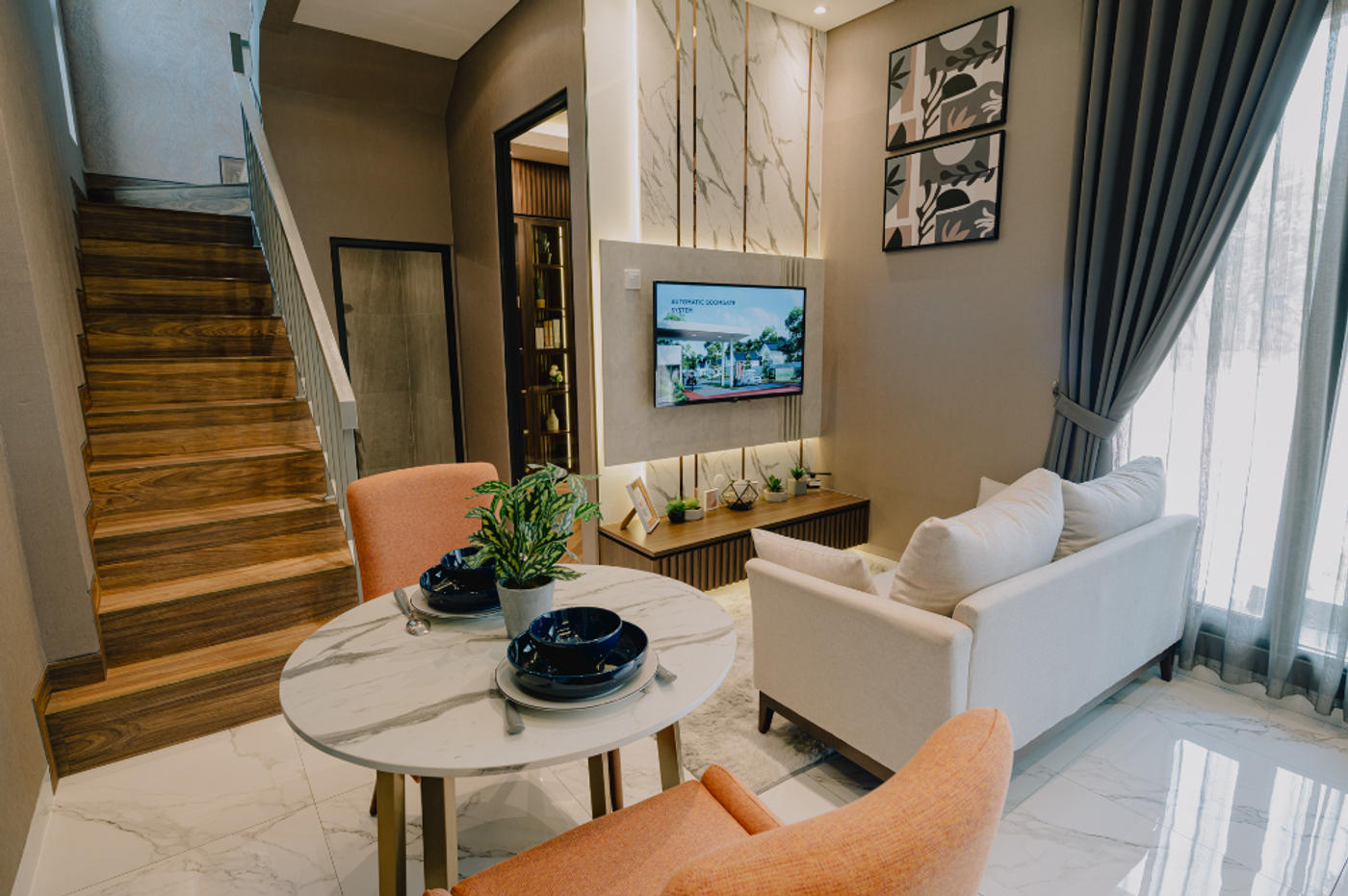
Known as a residence that blends with nature, Elora is a modern minimalist house located in the 100-hectare Tera Damai area. Designed with an open-space concept, this house offers a spacious, comfortable area, ideal for families who want practicality and a modern lifestyle.
There are three comfortable bedrooms and two stylish bathrooms, ensuring comfort for every family member. Security is a top priority with the application of smart home features such as a smart door lock and CCTV system, making this house not only attractive but also safe to live in.
Smart Home for Families: Comfort and Security in the Digital Era
27 November 202410 min read45 views
Inspiration
Share Article
Trending
1
Bekasi Marathon 2025 at Kota Harapan Indah, Best Location for Running and Enjoying Lifestyle.
3.8K views
Berita
2
Smart Living Concept: Technology Integration in Home Design
3.7K views
Berita
3
Damai Putra Group Wins Most Recommended Housing Project with Green Concept in Bekasi Award
3.2K views
Berita
4
Damai Putra Group and MRT Jakarta Sign MOU for TOD Medan Satria Development
2.9K views
Berita
5
Pay Damai Putra Group IPL Bills Easier & Save on Blibli
2.6K views
Berita