
In this increasingly advanced digital era, the presence of smart home devices has brought convenience and comfort to users. Using advanced Internet of Things (IoT) technology, smart home devices can connect to the internet network and easily control various aspects of daily life — like using one remote to control everything from a single device.
We'll explain the features offered by smart home devices, the benefits you can gain, and their impact on daily life. By understanding the concept and potential of smart home devices, you'll be able to make the right decision in adopting this technology in your home.
Introduction to the Smart Home Concept
Smart Home is a concept where electronic devices in a house are connected to one another and can be controlled using smart home system technology. With a Smart Home, homeowners can manage and control various household aspects such as lighting, temperature, security, and multimedia devices more practically and efficiently through mobile devices or network devices.
There are several main components that form the basis for creating this smart system. These components include:
1. Connection Devices: Smart Home requires connection devices like routers or hubs to connect all electronic devices in the house.
2. Sensors: such as motion sensors, temperature sensors, and humidity sensors used to detect the surrounding environmental conditions and provide information to the Smart Home system.
3. Smart Devices: Smart devices such as lights, door locks, or other electronic devices that can be connected to the Smart Home system and controlled automatically or remotely.
4. Central System: The central system or central control is the brain of the Smart Home that manages and coordinates all connected devices.
Practical Smart Home Devices
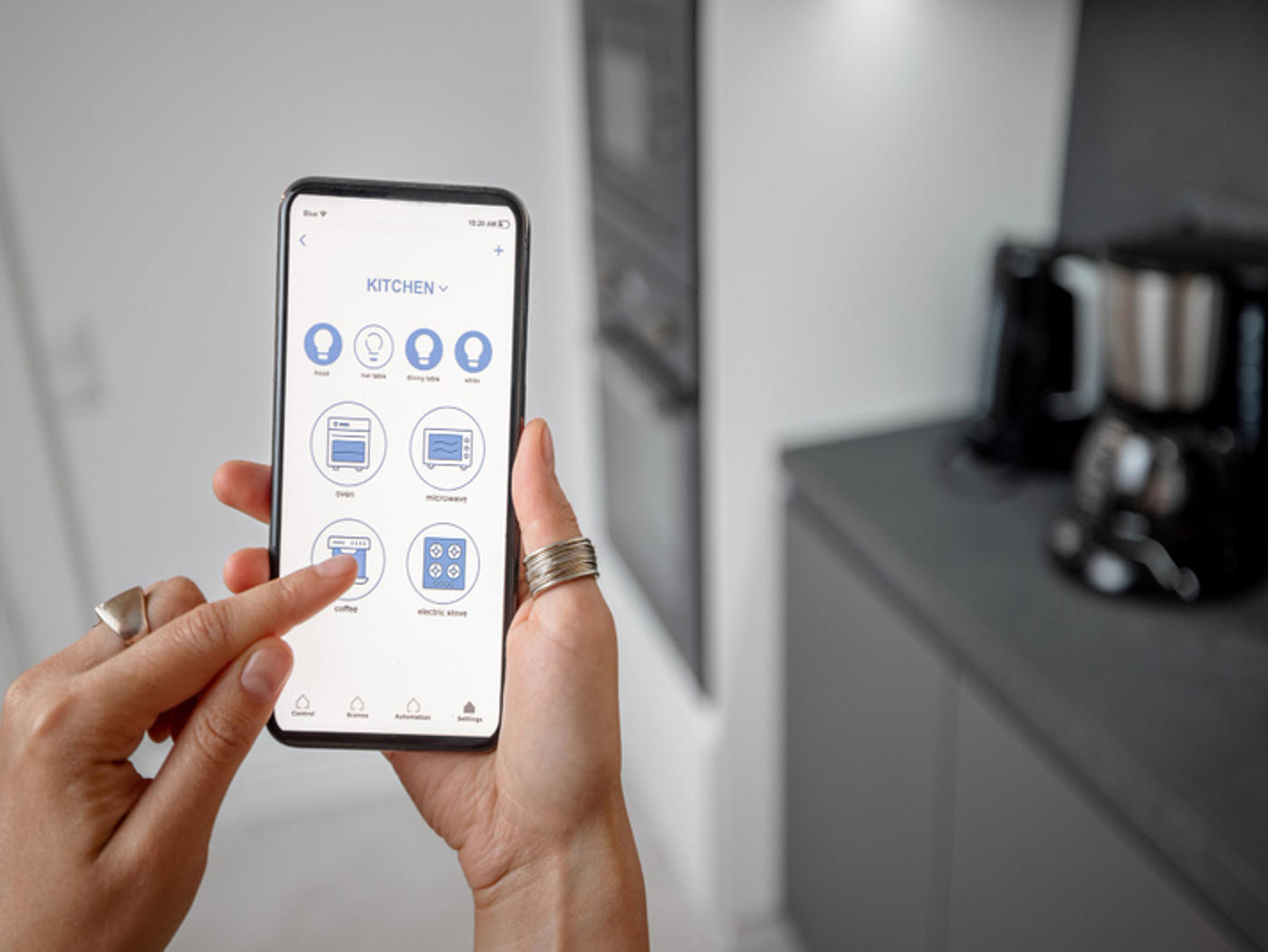
Smart control devices are devices used to control various electronic devices in the house using the latest technology such as artificial intelligence and internet connectivity. These devices can usually be controlled via smartphone or voice command. For example, if you forget to turn off the AC, TV, or other connected device, you can automatically set and control it remotely.
Virtual Assistants & Smart Hub and Plug
One popular example of a smart control device is a virtual assistant like Amazon Alexa or Google Assistant. By using this virtual assistant, users can give voice commands to control smart devices in the house, such as turning lights on or off, adjusting room temperature, or playing music.
Another smart control device is the smart hub, or smart control center. This smart hub functions as a control center for various smart devices in the house, such as lights, security cameras, or kitchen appliances. Users can connect these devices to the smart hub and control them through a single app or voice command.
Another example of a smart control device is the smart plug. This smart plug can be installed into an electrical outlet and allows users to control connected electronic devices through a smartphone. For example, users can turn on or off lights or other electronic devices connected to this smart plug.
Smart Lighting
There are various types of smart lighting devices available on the market today. Some popular examples of smart lighting devices include:
1. Smart LED Bulbs: Smart LED bulbs can have their brightness adjusted and can change light color according to user preference. Some smart LED bulbs are also equipped with scheduling features, allowing users to set when the light will turn on or off automatically.
2. Ambient Lights: Ambient lights are smart lighting devices specifically designed to create a comfortable, calming atmosphere in a room. These lights can automatically change color or adjust according to user preference.
3. Motion Sensor Lights: These lights activate when motion is detected nearby. This is very useful for home security or when users pass through a dimly lit area.
4. WiFi Lights: Lights connected to the home's WiFi network. Users can control these lights through a dedicated app connected to the smart device.
5. Energy-Saving Lights: These lights can automatically adjust light intensity based on user needs, helping to save on costs and maintain environmental sustainability.
Smart TV & Smart Speaker
A Smart TV has the ability to connect to the internet and provide access to various streaming platforms like Netflix or YouTube. In addition, a smart TV can also be connected to other devices like a smartphone or tablet, allowing users to control the TV through those devices.
Then there's the Smart speaker. A smart speaker is a device equipped with a virtual assistant like Alexa or Google Assistant. Using their voice, users can give commands to the smart speaker to play music, set an alarm, or answer questions.
Smart Thermostat & Smart Doorbell and Lock
Next is the Smart thermostat. A smart thermostat is a thermostat that can automatically adjust room temperature based on a schedule or user preference. In addition, this device can be connected to the user's smartphone, allowing them to adjust room temperature remotely.
For home security, there's the smart doorbell or smart lock. A smart doorbell has camera and audio features, so users can see and communicate with whoever is at the front door.
Meanwhile, a smart lock is a door lock that can be controlled using a smartphone. With a smart lock, users can open or lock their door without using a physical key.
The Benefits of Smart Home from Various Perspectives
Smart home is used by those who want a more practical, efficient, safe, and comfortable lifestyle at home. We'll discuss four main benefits that can be gained from using these devices. Let's look at each of these benefits in more detail.
Easy Settings and Energy Savings
With these devices, users can easily control various aspects of their home through an app on their smartphone or other device. For example, users can adjust indoor temperature, turn lights on or off, or control their home's security with just a few taps on their device's screen.
With the ability to monitor and manage energy use at home, users can reduce energy waste and lower costs associated with their electricity bills. For example, users can set an automatic schedule to turn their electronic appliances on and off, avoiding unnecessary energy waste.
Home Security and Protection
With motion sensors, security cameras, and connected alarm systems, users can monitor their home remotely and receive immediate notifications if suspicious activity is detected.
In addition, users can also activate security mode when they leave and ensure their home remains safe. This provides a sense of security and peace of mind for users.
Comfort and Connectivity
Users can integrate their devices with virtual assistants like Google Assistant or Amazon Alexa, allowing them to control their home with voice commands.
In addition, users can also create automatic routines to simplify their daily lives, such as automatically starting their morning coffee or turning off lights before bed. This connectivity helps create a more comfortable, connected living experience.
Factors to Consider
When choosing a smart home device, there are several factors to consider. Here are some important factors to pay attention to.
Price and Cost
Although smart home devices can provide comfort and efficiency in daily life, the price of these devices may be an important consideration for some people. It's important to consider your available budget and research smart home device prices that suit your needs.
System Compatibility
Before buying a smart home device, make sure it's compatible with the system you use at home. This may involve compatibility with operating systems, communication protocols, and platforms used. Choosing a device compatible with the existing system at home will make integration and usage smoother.
Data Security and Privacy
In this digital era, concerns about data security and privacy are becoming an increasingly major concern. Make sure the smart home device you choose has adequate security features, such as data encryption and strong privacy protection. In addition, it's also important to carefully monitor and manage all data collected by smart home devices.
By applying the benefits and suggestions mentioned above, practical living with Smart Home devices can become a reality for every user. In facing an increasingly advanced era of technology, utilizing and understanding Smart Home is one way to achieve a practical, efficient life.
Practical Living with Smart Home Devices: Making Life Easier
16 May 20249 min read48 views
Inspiration
Share Article
Trending
1
Bekasi Marathon 2025 at Kota Harapan Indah, Best Location for Running and Enjoying Lifestyle.
3.8K views
Berita
2
Smart Living Concept: Technology Integration in Home Design
3.7K views
Berita
3
Damai Putra Group Wins Most Recommended Housing Project with Green Concept in Bekasi Award
3.2K views
Berita
4
Damai Putra Group and MRT Jakarta Sign MOU for TOD Medan Satria Development
2.9K views
Berita
5
Pay Damai Putra Group IPL Bills Easier & Save on Blibli
2.6K views
Berita