When buying a house in Indonesia, especially a new home from a developer, you will sign several documents. The two that confuse people most are the PPJB and the AJB. Both relate to the sale of a house, but their function and legal force are different.
This article explains what the PPJB and AJB are, how they differ, when each is used, and what to check before signing them.
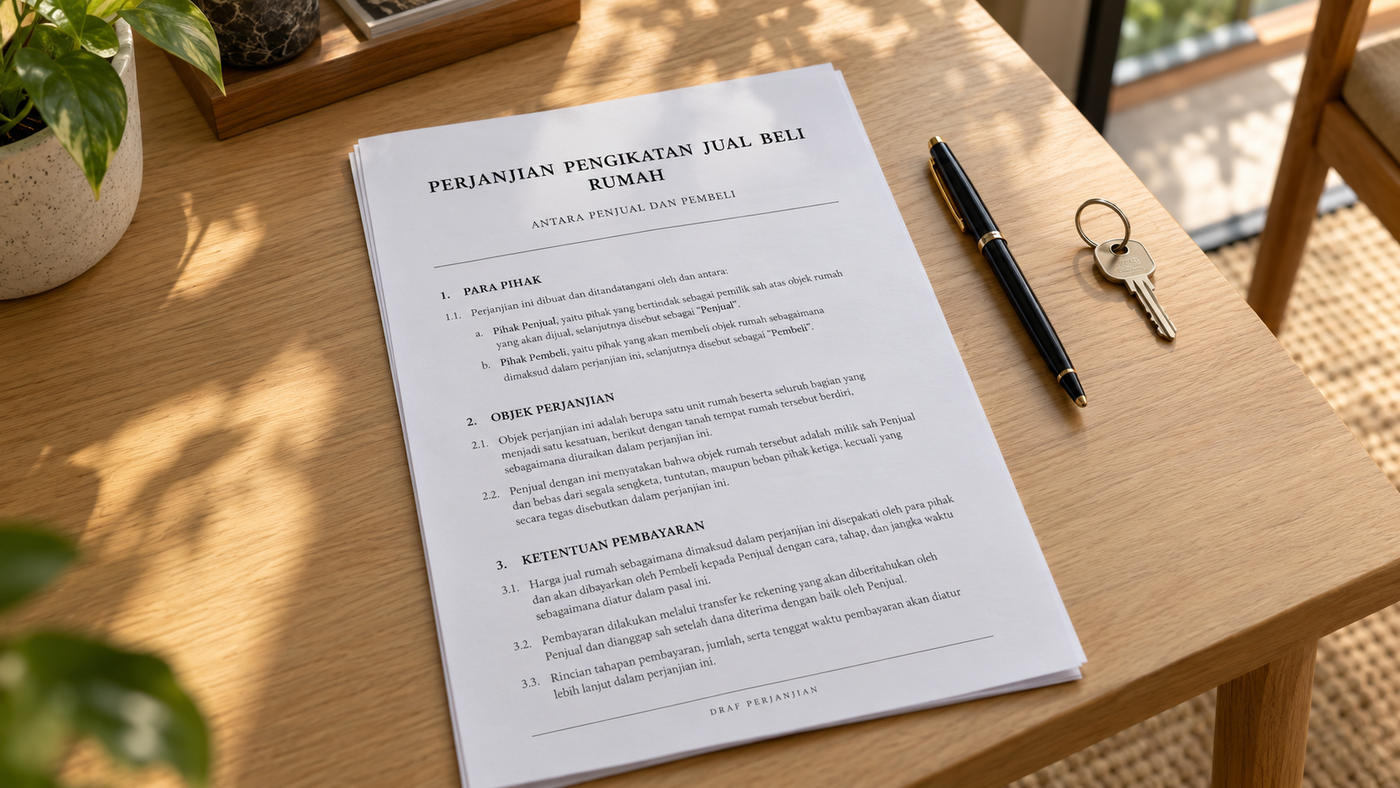
A Perjanjian Pengikatan Jual Beli (PPJB), or conditional sale and purchase agreement, is a preliminary agreement between seller and buyer before the formal sale takes place. It records both parties' commitment to complete the sale later, once certain conditions are met.
A PPJB is usually used when the sale cannot be completed straight away, for example because:
The house is still under construction.
The certificate has not yet been split for the unit being bought.
Payment is not yet complete or is still being paid in instalments to the developer.
For homes sold by developers, PPJB rules are set out in Government Regulation Number 12 of 2021 and Minister of Public Works and Housing Regulation Number 11/PRT/M/2019 on the Preliminary Sale and Purchase Agreement System for Houses.
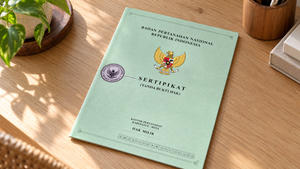
An Akta Jual Beli (AJB), or deed of sale, is an authentic deed drawn up by a Land Deed Official (PPAT) as legal proof that the rights to land and buildings have passed from seller to buyer.
Under Government Regulation Number 24 of 1997 on Land Registration, a transfer of rights through sale can only be registered if it is evidenced by a deed made by a PPAT. Once the AJB is signed, the certificate is processed for transfer of title at the land office into the buyer's name.
Nature: a PPJB is a preliminary agreement or promise to complete a sale, while an AJB is proof that the sale has taken place.
Official: a PPJB is signed before a notary, while an AJB must be made by a PPAT.
Transfer of rights: a PPJB does not yet transfer land rights, while an AJB is the basis for the transfer and change of title.
Timing: the PPJB is signed first, and the AJB is signed once the conditions of sale are met.
Taxes: sale taxes, such as BPHTB paid by the buyer and income tax (PPh) paid by the seller, are generally settled before the AJB is signed.
1. Unit booking and booking fee payment.
2. Signing the PPJB before a notary.
3. Down payment and mortgage agreement if buying with a loan.
4. Construction and unit handover.
5. Signing the AJB before a PPAT once the certificate is ready.
6. Transfer of title at the land office.
This sequence can vary depending on the unit's status, payment scheme, and bank policy. The mortgage stages are explained in the 2026 Mortgage Guide.
Under Government Regulation Number 12 of 2021, a PPJB for a developer home may be made once there is certainty on several points, including:
Land ownership status, evidenced by a certificate.
The subject of the agreement, such as the unit's specifications and price.
A Building Approval (PBG).
Availability of infrastructure, facilities, and utilities, such as roads and drainage.
At least 20% completion of the planned houses.
The regulations also give buyers the right to study the PPJB before signing it. Use this time to read every clause carefully.
1. Unit details. Make sure the land area, building area, plot number, and location match what you chose.
2. Price and payment schedule. Check the total price, payment method, and all costs you are responsible for.
3. Handover date. Make sure the handover date is clearly stated.
4. Cancellation terms. Understand what happens if the buyer or the developer cancels.
5. Certificate status. Ask about the type of land right, such as SHGB or SHM. The difference is explained in SHM vs SHGB.
6. Attachments. Make sure floor plans, technical specifications, and the site plan are attached.
Taxes: the buyer pays BPHTB, while the seller pays final income tax (PPh) on the sale of land and buildings.
PPAT fee: the PPAT's fee is capped at 1% of the transaction price, under Government Regulation Number 24 of 2016.
Documents: identification of both parties, the certificate, the latest land and building tax notice (SPPT PBB), and proof of tax payment.
A BPHTB simulation and other cost components are covered in The Cost of Buying a House in 2026.
What is the main difference between a PPJB and an AJB?
A PPJB is an agreement to complete a sale later, while an AJB is a deed proving the sale has taken place and serves as the basis for transferring the certificate.
Is a PPJB enough as proof of ownership?
No. A PPJB does not yet transfer land rights. The transfer is evidenced by the AJB and its registration at the land office.
Who draws up the PPJB and AJB?
A PPJB for a developer home is signed before a notary, while an AJB is made by a PPAT.
When is the AJB signed for a new home?
Generally once the unit's certificate is ready and the conditions of sale, including tax payments, have been met.
How much does an AJB cost?
The PPAT's fee is capped at 1% of the transaction price, excluding taxes such as BPHTB and PPh.
This article is general information, not legal advice. For specific cases, consult a notary/PPAT.
For more information about Damai Putra Group homes, contact the Damai Putra Group Marketing Gallery via WhatsApp Official 0811 4466 888 or visit www.damaiputra.com.
This article explains what the PPJB and AJB are, how they differ, when each is used, and what to check before signing them.
What Is a PPJB?
A Perjanjian Pengikatan Jual Beli (PPJB), or conditional sale and purchase agreement, is a preliminary agreement between seller and buyer before the formal sale takes place. It records both parties' commitment to complete the sale later, once certain conditions are met.
A PPJB is usually used when the sale cannot be completed straight away, for example because:
The house is still under construction.
The certificate has not yet been split for the unit being bought.
Payment is not yet complete or is still being paid in instalments to the developer.
For homes sold by developers, PPJB rules are set out in Government Regulation Number 12 of 2021 and Minister of Public Works and Housing Regulation Number 11/PRT/M/2019 on the Preliminary Sale and Purchase Agreement System for Houses.
What Is an AJB?
An Akta Jual Beli (AJB), or deed of sale, is an authentic deed drawn up by a Land Deed Official (PPAT) as legal proof that the rights to land and buildings have passed from seller to buyer.
Under Government Regulation Number 24 of 1997 on Land Registration, a transfer of rights through sale can only be registered if it is evidenced by a deed made by a PPAT. Once the AJB is signed, the certificate is processed for transfer of title at the land office into the buyer's name.
PPJB vs AJB: The Differences
Nature: a PPJB is a preliminary agreement or promise to complete a sale, while an AJB is proof that the sale has taken place.
Official: a PPJB is signed before a notary, while an AJB must be made by a PPAT.
Transfer of rights: a PPJB does not yet transfer land rights, while an AJB is the basis for the transfer and change of title.
Timing: the PPJB is signed first, and the AJB is signed once the conditions of sale are met.
Taxes: sale taxes, such as BPHTB paid by the buyer and income tax (PPh) paid by the seller, are generally settled before the AJB is signed.
The Usual Sequence When Buying a New Home from a Developer
1. Unit booking and booking fee payment.
2. Signing the PPJB before a notary.
3. Down payment and mortgage agreement if buying with a loan.
4. Construction and unit handover.
5. Signing the AJB before a PPAT once the certificate is ready.
6. Transfer of title at the land office.
This sequence can vary depending on the unit's status, payment scheme, and bank policy. The mortgage stages are explained in the 2026 Mortgage Guide.
PPJB Requirements for Developer Homes
Under Government Regulation Number 12 of 2021, a PPJB for a developer home may be made once there is certainty on several points, including:
Land ownership status, evidenced by a certificate.
The subject of the agreement, such as the unit's specifications and price.
A Building Approval (PBG).
Availability of infrastructure, facilities, and utilities, such as roads and drainage.
At least 20% completion of the planned houses.
The regulations also give buyers the right to study the PPJB before signing it. Use this time to read every clause carefully.
What to Check Before Signing a PPJB
1. Unit details. Make sure the land area, building area, plot number, and location match what you chose.
2. Price and payment schedule. Check the total price, payment method, and all costs you are responsible for.
3. Handover date. Make sure the handover date is clearly stated.
4. Cancellation terms. Understand what happens if the buyer or the developer cancels.
5. Certificate status. Ask about the type of land right, such as SHGB or SHM. The difference is explained in SHM vs SHGB.
6. Attachments. Make sure floor plans, technical specifications, and the site plan are attached.
What to Prepare Before the AJB
Taxes: the buyer pays BPHTB, while the seller pays final income tax (PPh) on the sale of land and buildings.
PPAT fee: the PPAT's fee is capped at 1% of the transaction price, under Government Regulation Number 24 of 2016.
Documents: identification of both parties, the certificate, the latest land and building tax notice (SPPT PBB), and proof of tax payment.
A BPHTB simulation and other cost components are covered in The Cost of Buying a House in 2026.
Frequently Asked Questions
What is the main difference between a PPJB and an AJB?
A PPJB is an agreement to complete a sale later, while an AJB is a deed proving the sale has taken place and serves as the basis for transferring the certificate.
Is a PPJB enough as proof of ownership?
No. A PPJB does not yet transfer land rights. The transfer is evidenced by the AJB and its registration at the land office.
Who draws up the PPJB and AJB?
A PPJB for a developer home is signed before a notary, while an AJB is made by a PPAT.
When is the AJB signed for a new home?
Generally once the unit's certificate is ready and the conditions of sale, including tax payments, have been met.
How much does an AJB cost?
The PPAT's fee is capped at 1% of the transaction price, excluding taxes such as BPHTB and PPh.
This article is general information, not legal advice. For specific cases, consult a notary/PPAT.
For more information about Damai Putra Group homes, contact the Damai Putra Group Marketing Gallery via WhatsApp Official 0811 4466 888 or visit www.damaiputra.com.