When looking for a home in Indonesia, the term housing cluster (perumahan cluster) appears in almost every brochure and advert. Many people choose a cluster because it feels safer and more orderly, but not everyone knows what a cluster really is, how it differs from ordinary housing, and what it means for residents.
This article explains what a housing cluster is, its advantages and drawbacks, and tips for choosing the right cluster for your family.
A housing cluster is a group of homes in one area designed as a single unit, usually with uniform house designs, restricted entry and exit, and shared facilities for residents.
Clusters are often located within a larger residential area or township. One area can contain many clusters, each with its own name, design concept, and facilities.
Access. Clusters usually use a single entrance (one gate system) with a security post. Ordinary housing often has many open road accesses.
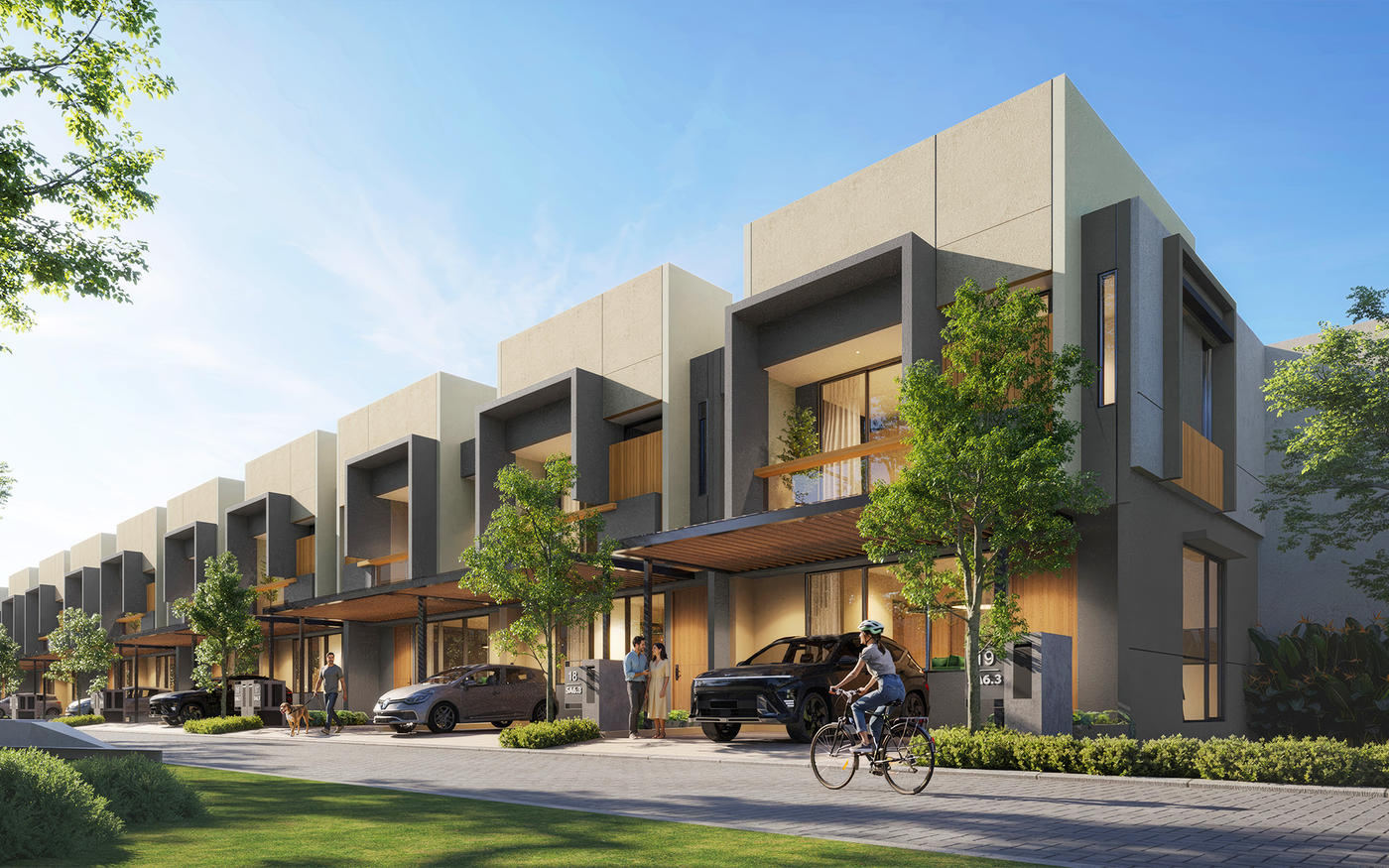
Design. Homes in a cluster usually share a uniform facade design, so the neighbourhood looks neat. In ordinary housing, designs tend to vary more.
Facilities. Clusters often include shared facilities for residents, such as gardens, children's play areas, or sports courts.
Management. Clusters are usually managed by the developer or a management body, with an estate management fee (IPL) for security, cleaning, and facility upkeep.
1. Better security. A single entrance, security staff, and in some clusters CCTV, keep the flow of people more controlled.
2. A quieter environment. Because the roads are not public through routes, traffic is generally limited to residents and their guests.
3. More child-friendly. Quieter roads and shared play areas give children more freedom to play outside.
4. A well-kept neighbourhood. Uniform facades and central management keep the area tidy over the long term.
5. Shared facilities. Residents can enjoy gardens, jogging tracks, or sports courts without leaving the area.
The estate management fee (IPL). There is a monthly fee for security, cleaning, and facility upkeep. Include it in your household budget.
Renovation rules. Many clusters limit facade changes or extensions to keep the neighbourhood uniform. Ask about the rules before buying if you plan to renovate. A guide is in Home Renovation Tips.
Guest and public transport access. Guests or ride-hailing drivers may need to check in at the security post, which takes a little extra time.
Price. Homes in clusters with full facilities may cost more than similar-sized homes in ordinary neighbourhoods. Weigh this against the facilities and security you get.
1. Check the developer's and area's track record. Look at completed projects and the condition of occupied neighbourhoods.
2. Consider the cluster's position within the area. How far it is from the main gate, main roads, schools, and shops.
3. Ask about the IPL amount and what it covers. Make sure you know what the fee pays for.
4. Focus on facilities you will actually use. Many facilities are not always useful if they do not suit your family's lifestyle.
5. Check the legal status. Make sure the certificate and building permit are clear. These are explained in SHM vs SHGB and What Is a PBG?
6. Calculate the total cost. Besides the house price, there are taxes, mortgage costs, and the IPL. Estimate BPHTB with the BPHTB Calculator and understand rate schemes in Mortgage Interest.
7. Match the house type to your needs. House types and sizes are explained in What House Types Mean.
As an example, CRESTA is the newest cluster in Kota Harapan Indah, Bekasi, with a lakeside living concept. The cluster uses a one gate system and offers shared facilities including a lake, jogging track, pavilion, children's playground, and basketball court.
Homes at CRESTA are two-storey houses in three types: Lebar 5, Lebar 6, and Lebar 7. Every home has a private backyard, a front terrace, a laundry and drying area, a smart door lock, and CCTV. Prices start from Rp 1 billion.
A full overview of Kota Harapan Indah is in Kota Harapan Indah Facilities.
What is a housing cluster?
A group of homes in one area designed as a single unit, usually with restricted access, uniform designs, and shared facilities.
What are the advantages of a housing cluster?
Better security, a quieter and more child-friendly environment, a well-kept neighbourhood, and shared facilities.
What is a one gate system?
An access system with a single entrance and exit guarded by security staff, so the flow of people in the cluster is more controlled.
Is there a monthly fee for living in a cluster?
Usually yes, in the form of an estate management fee (IPL) for security, cleaning, and facility upkeep.
Can a cluster home be renovated?
Yes, but there are usually rules, especially on facade changes. Ask the developer or management before renovating.
For more information about CRESTA in Kota Harapan Indah, contact the Damai Putra Group Marketing Gallery via WhatsApp Official 0811 4466 888 or visit www.damaiputra.com.
This article explains what a housing cluster is, its advantages and drawbacks, and tips for choosing the right cluster for your family.
What Is a Housing Cluster?
A housing cluster is a group of homes in one area designed as a single unit, usually with uniform house designs, restricted entry and exit, and shared facilities for residents.
Clusters are often located within a larger residential area or township. One area can contain many clusters, each with its own name, design concept, and facilities.
Housing Clusters vs Ordinary Housing
Access. Clusters usually use a single entrance (one gate system) with a security post. Ordinary housing often has many open road accesses.
Design. Homes in a cluster usually share a uniform facade design, so the neighbourhood looks neat. In ordinary housing, designs tend to vary more.
Facilities. Clusters often include shared facilities for residents, such as gardens, children's play areas, or sports courts.
Management. Clusters are usually managed by the developer or a management body, with an estate management fee (IPL) for security, cleaning, and facility upkeep.
Advantages of Living in a Housing Cluster
1. Better security. A single entrance, security staff, and in some clusters CCTV, keep the flow of people more controlled.
2. A quieter environment. Because the roads are not public through routes, traffic is generally limited to residents and their guests.
3. More child-friendly. Quieter roads and shared play areas give children more freedom to play outside.
4. A well-kept neighbourhood. Uniform facades and central management keep the area tidy over the long term.
5. Shared facilities. Residents can enjoy gardens, jogging tracks, or sports courts without leaving the area.
Points to Consider
The estate management fee (IPL). There is a monthly fee for security, cleaning, and facility upkeep. Include it in your household budget.
Renovation rules. Many clusters limit facade changes or extensions to keep the neighbourhood uniform. Ask about the rules before buying if you plan to renovate. A guide is in Home Renovation Tips.
Guest and public transport access. Guests or ride-hailing drivers may need to check in at the security post, which takes a little extra time.
Price. Homes in clusters with full facilities may cost more than similar-sized homes in ordinary neighbourhoods. Weigh this against the facilities and security you get.
Tips for Choosing a Housing Cluster
1. Check the developer's and area's track record. Look at completed projects and the condition of occupied neighbourhoods.
2. Consider the cluster's position within the area. How far it is from the main gate, main roads, schools, and shops.
3. Ask about the IPL amount and what it covers. Make sure you know what the fee pays for.
4. Focus on facilities you will actually use. Many facilities are not always useful if they do not suit your family's lifestyle.
5. Check the legal status. Make sure the certificate and building permit are clear. These are explained in SHM vs SHGB and What Is a PBG?
6. Calculate the total cost. Besides the house price, there are taxes, mortgage costs, and the IPL. Estimate BPHTB with the BPHTB Calculator and understand rate schemes in Mortgage Interest.
7. Match the house type to your needs. House types and sizes are explained in What House Types Mean.
An Example of a Lakeside Cluster: CRESTA
As an example, CRESTA is the newest cluster in Kota Harapan Indah, Bekasi, with a lakeside living concept. The cluster uses a one gate system and offers shared facilities including a lake, jogging track, pavilion, children's playground, and basketball court.
Homes at CRESTA are two-storey houses in three types: Lebar 5, Lebar 6, and Lebar 7. Every home has a private backyard, a front terrace, a laundry and drying area, a smart door lock, and CCTV. Prices start from Rp 1 billion.
A full overview of Kota Harapan Indah is in Kota Harapan Indah Facilities.
Frequently Asked Questions
What is a housing cluster?
A group of homes in one area designed as a single unit, usually with restricted access, uniform designs, and shared facilities.
What are the advantages of a housing cluster?
Better security, a quieter and more child-friendly environment, a well-kept neighbourhood, and shared facilities.
What is a one gate system?
An access system with a single entrance and exit guarded by security staff, so the flow of people in the cluster is more controlled.
Is there a monthly fee for living in a cluster?
Usually yes, in the form of an estate management fee (IPL) for security, cleaning, and facility upkeep.
Can a cluster home be renovated?
Yes, but there are usually rules, especially on facade changes. Ask the developer or management before renovating.
For more information about CRESTA in Kota Harapan Indah, contact the Damai Putra Group Marketing Gallery via WhatsApp Official 0811 4466 888 or visit www.damaiputra.com.