The ruko (shophouse) remains a popular choice in Indonesia, both for starting a business and for property investment. One building can host a shop on the ground floor and an office, storeroom, or living space upstairs, or be rented out to another business.
But not every shophouse is equally good. The wrong location can leave a shophouse without tenants for years. This article covers how to choose a shophouse, from location, legal documents, and physical condition to how to estimate its rental potential.
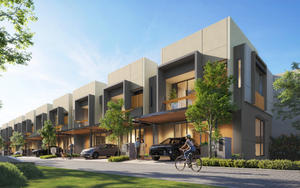
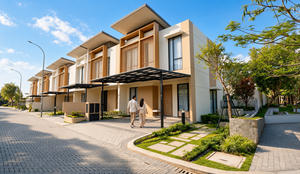
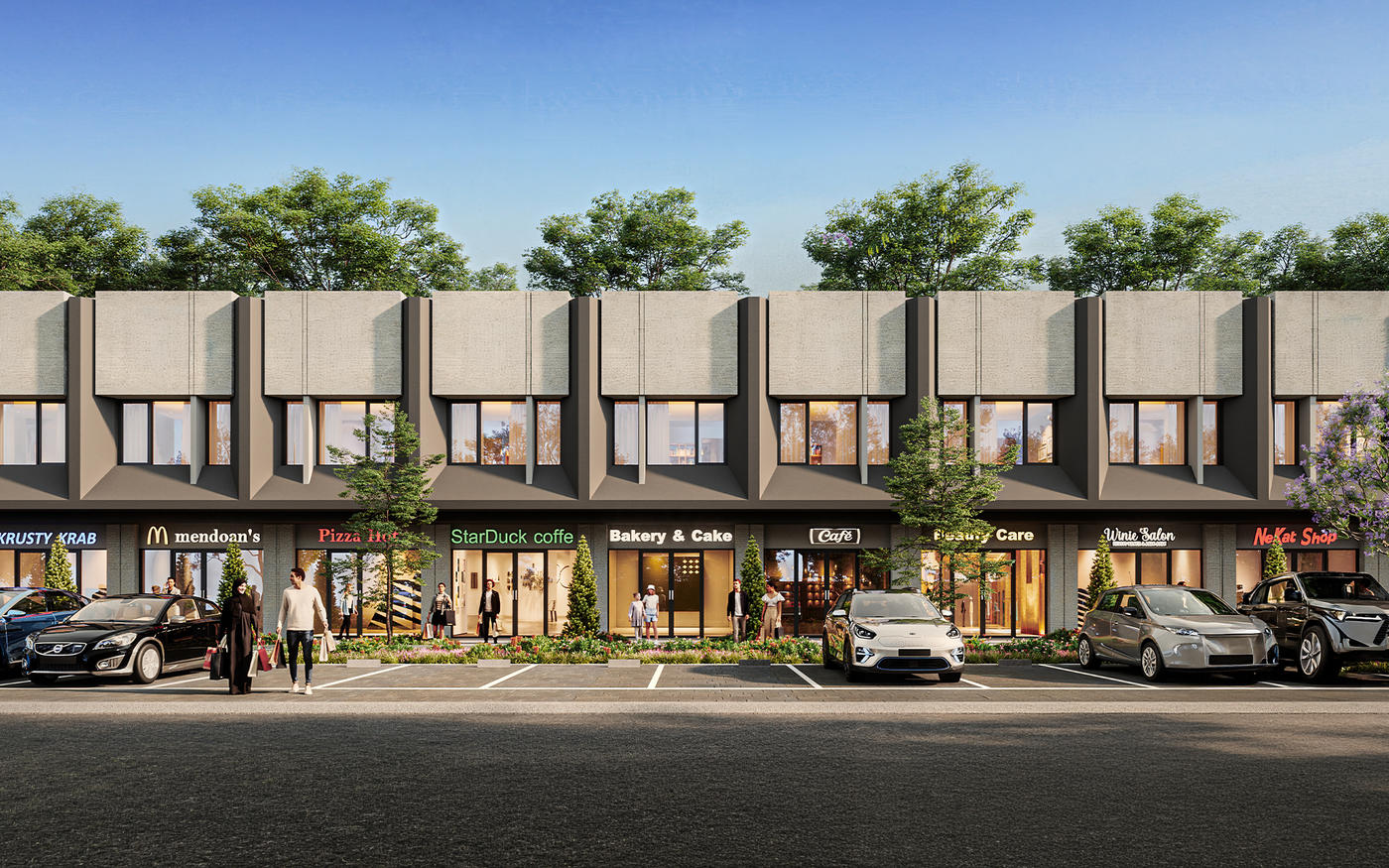
A ruko is a multi-storey building that combines business use with other space in one unit. The ground floor usually serves as a shop or business space facing the street, while the upper floors are used as an office, storeroom, or living space.
Shophouses are usually built in rows within a commercial area, so one row can host a range of businesses, such as coffee shops, clinics, minimarkets, tutoring centres, or branch offices.
Before choosing, decide on the main purpose, as the criteria differ slightly.
For your own business, what matters most is how well the location fits your customers. A food business needs plenty of foot traffic, while a service office needs easy access and parking.
To rent out, what matters is how easily the shophouse can attract tenants over the long term. A location that suits many types of business tends to be easier to rent out.
1. Look at the surrounding population. A shophouse near or within an occupied housing area has a clear market: residents who shop and use services every day.
2. Check traffic and visibility. A shophouse that is easy to see from a main road and sits on a well-used route is generally more attractive to businesses.
3. Check access and parking. Customers tend to avoid places that are hard to reach or park at. Note the width of the road in front and the parking available.
4. Observe the businesses nearby. An area already busy with businesses shows existing demand, but also consider competition from similar businesses.
5. Look at the area's development plans. An area that is still growing, for example because of new housing or new toll road access, may offer room for value growth, although it takes time to become truly busy.
Certificate type. Confirm whether the title is SHM (freehold) or SHGB (right to build), and its validity period. The difference is explained in SHM vs SHGB.
Certificate authenticity. For a resale shophouse, check the certificate data through the National Land Agency (BPN) services. The steps are in How to Check a Land Certificate.
Building permit. Make sure the shophouse has an IMB or PBG that matches its business use. This is explained in What Is a PBG?
Land use designation. Make sure the location is designated for business activity, to avoid problems when applying for a business licence.
PBB history. For a resale shophouse, ask for proof of the last few years' PBB (property tax) payments so you do not inherit arrears.
Frontage width. A wider front gives more room for display windows and signage.
Number of floors and layout. Match these to your needs, for example an upper floor for an office, storeroom, or living space.
Electrical capacity. Businesses such as coffee shops, restaurants, or laundries need a fairly large power supply.
Water supply and drainage. Important for food businesses, clinics, or salons.
Building condition. For a resale shophouse, check for leaks, cracks, and the electrical installation before buying.
For a shophouse you plan to rent out, a common measure is rental yield, the annual rental income as a percentage of the purchase price.
Gross rental yield = (annual rent ÷ purchase price) × 100%
Illustrative example: a shophouse bought for Rp 1,000,000,000 and rented out for Rp 60,000,000 a year has a gross rental yield of 6% a year.
That figure does not yet account for costs. Some to factor in:
Final income tax on rent of 10% of the gross rental value, under Government Regulation Number 34 of 2017. If the tenant is a business entity acting as a tax withholder, the tax is usually withheld by the tenant. If not, the owner pays it directly. In the example above, the tax is Rp 6,000,000 a year.
Annual PBB, borne by the owner unless agreed otherwise in the lease.
Maintenance costs and estate management fees, if any.
Vacancy periods between tenants, which can make annual income lower than calculated.
The figures above are only illustrations to explain the calculation, not an indication of market prices or rents. Actual rent depends heavily on the location and condition of the shophouse.
Besides rental income, some investors also consider long-term value growth. However, value growth is never guaranteed, so it should not be the only reason to buy.
As with buying a home, buying a shophouse comes with costs beyond the unit price:
BPHTB, the acquisition duty borne by the buyer. Estimate it with the BPHTB Calculator.
PPN (VAT) on a new unit bought from a developer.
AJB and title transfer fees at the PPAT (land deed official). These are covered in Title Transfer Costs in 2026.
Bank financing costs, if buying with a loan. Loan products for shophouses can differ from home mortgages, so ask the bank directly about down payment, interest, and tenor.
One way to reduce the risk of a quiet shophouse is to choose one within a residential area, where residents form a nearby, regular market.
Terapoint is a new shophouse development in Tera Damai, Tambun Utara, Bekasi Regency, an area of around 100 hectares developed by Damai Putra Group. Terapoint sits among the area's residents, and Tera Damai is connected to the Cibitung-Cilincing Toll Road (JORR 2). It is worth considering both for running your own business and for renting out.
A full overview of the area is in Tera Damai Bekasi: Location, Facilities, and Clusters.
What should I look for when choosing a shophouse?
Location and surrounding population, access and parking, the certificate and building permit, physical condition, and rental potential if you plan to rent it out.
How do I calculate the rental return on a shophouse?
Calculate the gross rental yield by dividing annual rent by the purchase price, then deduct the 10% final income tax on rent, PBB, maintenance, and an allowance for vacancy.
Is shophouse rental income taxed?
Yes. Income from renting land and/or buildings is subject to a final income tax of 10% of the gross rental value.
Is a shophouse on a main road or inside a housing area better?
Both have advantages. A main-road shophouse offers visibility, while one inside a housing area has a nearby resident market. Match it to the type of business.
Can I buy a shophouse with a bank loan?
Yes, but the products and requirements can differ from a home mortgage, so ask the bank directly.
This article is general information and not investment advice. Consider your financial situation and goals, and consult a tax adviser on tax matters where needed.
For more information about Terapoint at Tera Damai, contact the Damai Putra Group Marketing Gallery via WhatsApp Official 0811 4466 888 or visit www.damaiputra.com.
But not every shophouse is equally good. The wrong location can leave a shophouse without tenants for years. This article covers how to choose a shophouse, from location, legal documents, and physical condition to how to estimate its rental potential.
What Is a Ruko?
A ruko is a multi-storey building that combines business use with other space in one unit. The ground floor usually serves as a shop or business space facing the street, while the upper floors are used as an office, storeroom, or living space.
Shophouses are usually built in rows within a commercial area, so one row can host a range of businesses, such as coffee shops, clinics, minimarkets, tutoring centres, or branch offices.
For Your Own Business or to Rent Out?
Before choosing, decide on the main purpose, as the criteria differ slightly.
For your own business, what matters most is how well the location fits your customers. A food business needs plenty of foot traffic, while a service office needs easy access and parking.
To rent out, what matters is how easily the shophouse can attract tenants over the long term. A location that suits many types of business tends to be easier to rent out.
Tips for Choosing a Shophouse Location
1. Look at the surrounding population. A shophouse near or within an occupied housing area has a clear market: residents who shop and use services every day.
2. Check traffic and visibility. A shophouse that is easy to see from a main road and sits on a well-used route is generally more attractive to businesses.
3. Check access and parking. Customers tend to avoid places that are hard to reach or park at. Note the width of the road in front and the parking available.
4. Observe the businesses nearby. An area already busy with businesses shows existing demand, but also consider competition from similar businesses.
5. Look at the area's development plans. An area that is still growing, for example because of new housing or new toll road access, may offer room for value growth, although it takes time to become truly busy.
Check the Legal Documents
Certificate type. Confirm whether the title is SHM (freehold) or SHGB (right to build), and its validity period. The difference is explained in SHM vs SHGB.
Certificate authenticity. For a resale shophouse, check the certificate data through the National Land Agency (BPN) services. The steps are in How to Check a Land Certificate.
Building permit. Make sure the shophouse has an IMB or PBG that matches its business use. This is explained in What Is a PBG?
Land use designation. Make sure the location is designated for business activity, to avoid problems when applying for a business licence.
PBB history. For a resale shophouse, ask for proof of the last few years' PBB (property tax) payments so you do not inherit arrears.
Check the Physical Condition
Frontage width. A wider front gives more room for display windows and signage.
Number of floors and layout. Match these to your needs, for example an upper floor for an office, storeroom, or living space.
Electrical capacity. Businesses such as coffee shops, restaurants, or laundries need a fairly large power supply.
Water supply and drainage. Important for food businesses, clinics, or salons.
Building condition. For a resale shophouse, check for leaks, cracks, and the electrical installation before buying.
How to Estimate Rental Potential
For a shophouse you plan to rent out, a common measure is rental yield, the annual rental income as a percentage of the purchase price.
Gross rental yield = (annual rent ÷ purchase price) × 100%
Illustrative example: a shophouse bought for Rp 1,000,000,000 and rented out for Rp 60,000,000 a year has a gross rental yield of 6% a year.
That figure does not yet account for costs. Some to factor in:
Final income tax on rent of 10% of the gross rental value, under Government Regulation Number 34 of 2017. If the tenant is a business entity acting as a tax withholder, the tax is usually withheld by the tenant. If not, the owner pays it directly. In the example above, the tax is Rp 6,000,000 a year.
Annual PBB, borne by the owner unless agreed otherwise in the lease.
Maintenance costs and estate management fees, if any.
Vacancy periods between tenants, which can make annual income lower than calculated.
The figures above are only illustrations to explain the calculation, not an indication of market prices or rents. Actual rent depends heavily on the location and condition of the shophouse.
Besides rental income, some investors also consider long-term value growth. However, value growth is never guaranteed, so it should not be the only reason to buy.
Costs When Buying a Shophouse
As with buying a home, buying a shophouse comes with costs beyond the unit price:
BPHTB, the acquisition duty borne by the buyer. Estimate it with the BPHTB Calculator.
PPN (VAT) on a new unit bought from a developer.
AJB and title transfer fees at the PPAT (land deed official). These are covered in Title Transfer Costs in 2026.
Bank financing costs, if buying with a loan. Loan products for shophouses can differ from home mortgages, so ask the bank directly about down payment, interest, and tenor.
A Shophouse within a Residential Area: Terapoint at Tera Damai
One way to reduce the risk of a quiet shophouse is to choose one within a residential area, where residents form a nearby, regular market.
Terapoint is a new shophouse development in Tera Damai, Tambun Utara, Bekasi Regency, an area of around 100 hectares developed by Damai Putra Group. Terapoint sits among the area's residents, and Tera Damai is connected to the Cibitung-Cilincing Toll Road (JORR 2). It is worth considering both for running your own business and for renting out.
A full overview of the area is in Tera Damai Bekasi: Location, Facilities, and Clusters.
Frequently Asked Questions
What should I look for when choosing a shophouse?
Location and surrounding population, access and parking, the certificate and building permit, physical condition, and rental potential if you plan to rent it out.
How do I calculate the rental return on a shophouse?
Calculate the gross rental yield by dividing annual rent by the purchase price, then deduct the 10% final income tax on rent, PBB, maintenance, and an allowance for vacancy.
Is shophouse rental income taxed?
Yes. Income from renting land and/or buildings is subject to a final income tax of 10% of the gross rental value.
Is a shophouse on a main road or inside a housing area better?
Both have advantages. A main-road shophouse offers visibility, while one inside a housing area has a nearby resident market. Match it to the type of business.
Can I buy a shophouse with a bank loan?
Yes, but the products and requirements can differ from a home mortgage, so ask the bank directly.
This article is general information and not investment advice. Consider your financial situation and goals, and consult a tax adviser on tax matters where needed.
For more information about Terapoint at Tera Damai, contact the Damai Putra Group Marketing Gallery via WhatsApp Official 0811 4466 888 or visit www.damaiputra.com.